
Creating the Perfect Study and Work Corner With Lighting
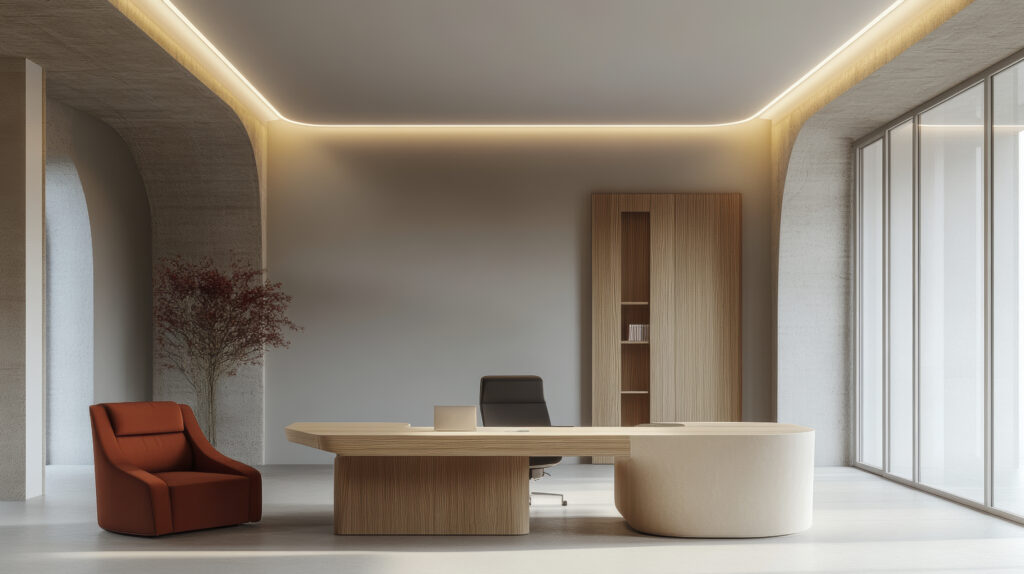
Working or studying at home has become a daily routine for many people. Whether it is children completing their schoolwork, professionals managing office tasks, or creators working on personal projects, the study and work corner has become one of the most important parts of a modern home. While furniture and layout play a role, the real game-changer is lighting. The right lighting setup can improve focus, reduce eye strain, and make the corner inviting enough to spend long hours productively.
In this guide, we will explore how to design a perfect study and work corner using LED lights, downlights, panels, and task-specific fixtures that balance comfort with efficiency.
Why Lighting Matters in a Work Corner
Lighting does more than brighten a room. It affects how the mind functions, influences mood, and can even impact productivity. Poor lighting leads to eye fatigue, headaches, and lack of focus. On the other hand, a well-lit corner creates a positive environment where concentration comes naturally. Choosing the right type and placement of lights ensures that your study or work zone feels motivating, professional, and practical.
Tip 1: Start With Natural Light
If possible, set up your desk near a window or balcony. Natural sunlight not only brightens the corner but also boosts energy and alertness. Studies show that daylight exposure improves focus and helps regulate sleep cycles. Pairing natural light with LED task lighting creates a balanced atmosphere that works well throughout the day.
Tip 2: Choose the Right LED Bulbs
Not all lights are the same. The brightness and color temperature of bulbs make a huge difference in productivity.
- Use LED bulbs with neutral white light (around 4000K). They mimic daylight and are perfect for reading and computer work.
- Avoid bulbs that are too yellow, as they may cause drowsiness.
- Avoid very harsh white lights, as they can create glare and eye strain.
LED lights are also energy-efficient, ensuring long-term savings while keeping your workspace bright.
Tip 3: Add Task Lighting for Focus
Task lighting is essential for study corners. These are fixtures that directly illuminate your work surface without lighting the entire room. Options include:
- Table lamps with adjustable heads.
- Mirror lights or strip lights around the desk for soft focus.
- COB spotlights for highlighting specific areas.
Task lighting helps prevent shadows falling on your work, making it easier to read, write, or work on a laptop.
Tip 4: Use Downlights for an Even Glow
While task lighting is useful, it should not be the only source of brightness. Dark corners can feel cramped and distracting. Installing downlights across the ceiling ensures the space feels open and evenly lit. Recessed downlights are particularly useful for small study corners since they save space and provide glare-free illumination.
Tip 5: Balance Ambience With Panel Lights
When working for long hours, lighting that is too harsh can feel overwhelming. This is where LED panel lights come in. They distribute light evenly across the room, creating a soft, calming glow. A panel light above the work desk helps reduce contrast between the screen and surroundings, making the space comfortable for extended focus.
Tip 6: Control Lighting With Dimmers
Study and work corners often serve multiple purposes. A dimmer allows you to control brightness according to the task. For instance, full brightness during work hours ensures alertness, while dimmed light in the evening creates a relaxing mood. Pairing dimmers with LED lights offers flexibility and improves energy efficiency.
Tip 7: Add Personality With Accent Lights
Your study corner should not just be functional, it should also reflect your personality. Accent lights such as track lighting, small spotlights, or rope lights add warmth and style to the space. Highlighting bookshelves, wall art, or décor elements makes the corner feel inspiring and uniquely yours.
Tip 8: Ensure Eye Comfort
One of the most overlooked aspects of lighting is how it impacts eye comfort. Position your desk light so that it reduces glare on screens. Place task lights on the opposite side of your dominant hand to avoid shadows while writing. Always combine ambient and task lighting to prevent eye strain.
Smart Lighting for Smarter Corners
Modern homes are moving toward automation. With Vifi home automation, users can control brightness, switch between warm and cool tones, and even schedule lights through a smartphone. Smart lighting adds convenience and ensures your study corner adapts to your mood and tasks seamlessly.